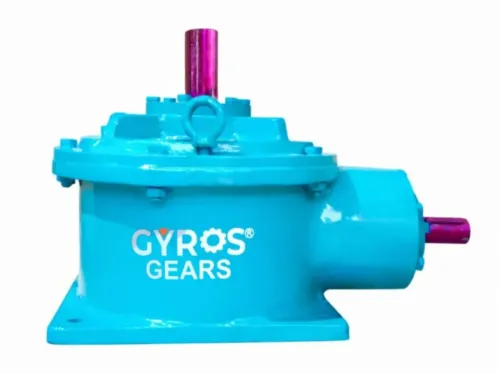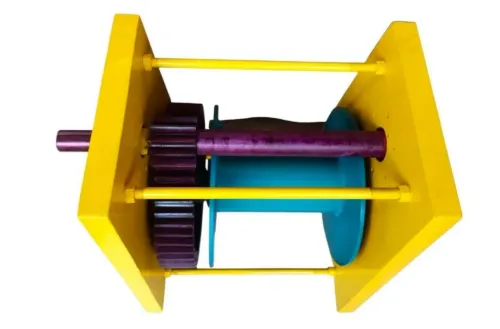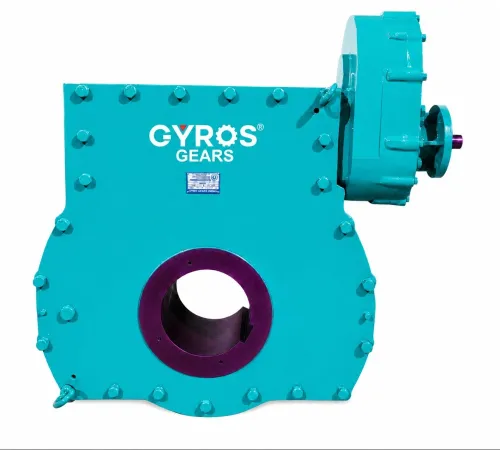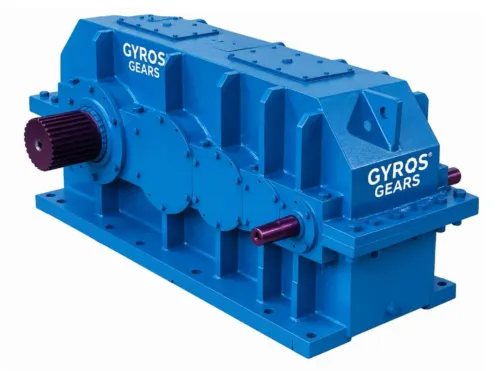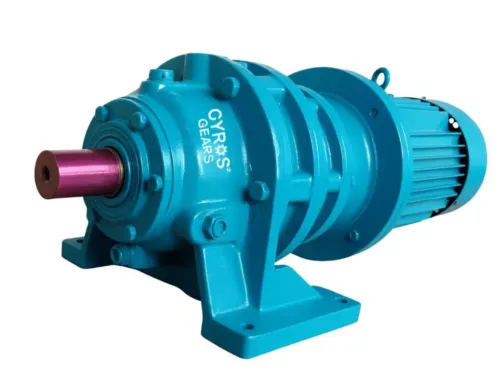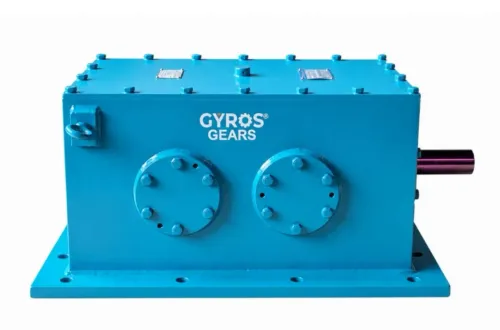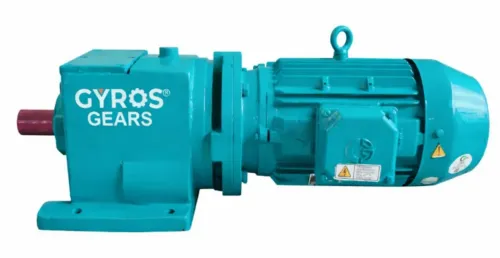
When it comes to precision motion control for industrial automation, robotics, and heavy machinery, the gearbox at the heart of the system makes all the difference. Based in Ahmedabad, Gujarat — one of India's most important manufacturing and engineering hubs — Gyros Gears Industries has built a reputation for delivering planetary gearboxes engineered for durability, precision, and long service life.
This post walks through why planetary gearboxes matter, what sets Gyros Gears Industries apart, and the key technical specifications customers should evaluate when selecting a gearbox for their application.
Why Planetary Gearboxes?
Planetary (epicyclic) gearboxes are prized across industrial and automation applications because of their compact footprint and mechanical advantages:
- High torque density — multiple planet gears share the load, allowing a smaller housing to transmit higher torque than an equivalent parallel-shaft gearbox.
- Coaxial input/output — the output shaft is in line with the input shaft, simplifying machine layout.
- Low backlash — critical for servo motor applications, CNC machinery, and robotics where positioning accuracy matters.
- High efficiency — typically 94–98% per stage, minimizing energy losses.
- Long operating life — load sharing across planet gears reduces stress concentration and wear on any single tooth set.
These qualities make planetary gearboxes the standard choice for servo motor mounting, packaging machinery, printing presses, robotics, CNC equipment, textile machinery, and material handling systems — many of which are core industries in and around Gujarat's manufacturing belt.
About Gyros Gears Industries
Located in Ahmedabad, Gujarat, Gyros Gears Industries manufactures planetary gearboxes for OEMs and end users across sectors including automation, robotics, packaging, textiles, and material handling. The company positions itself around three core commitments:
- Precision Manufacturing — CNC-machined gear components with tight tolerance control to minimize backlash and ensure consistent performance.
- Application Engineering — working with customers to match gear ratios, mounting configurations, and torque ratings to the specific servo motor and load requirements of their machine.
- Local Support — being based in Ahmedabad allows faster turnaround for customization, servicing, and after-sales support to customers across Gujarat and India.
Typical Technical Specifications
Planetary gearbox performance is generally described by a standard set of parameters. Below is a representative technical specification range typical of planetary gearbox product lines in this class — buyers should confirm exact figures against the specific model/frame size (e.g., PG60, PG90, PG120, PG160) they are evaluating:
ParameterTypical RangeGear Ratio3:1 to 100:1 (single, double, and triple-stage options)Rated Output Torque5 Nm to 3,000 Nm (frame-size dependent)Peak/Emergency TorqueUp to 2–3x rated torqueBacklash (Standard)≤ 15 arcminBacklash (Precision Grade)≤ 3–7 arcminEfficiency per Stage94–98%Input Speed (Max)3,000–8,000 RPM (frame-size dependent)Mounting TypesFlange output, foot-mounted, shaft outputInput ConfigurationNEMA/IEC servo motor flange adapters, keyed or clamping shaft inputHousing MaterialAluminum alloy (lighter frames), cast iron/steel (heavy-duty frames)Gear MaterialAlloy steel, case-hardened and precision groundIP RatingIP54 to IP65 depending on sealing configurationOperating Temperature-15°C to +90°CLubricationSynthetic grease, lifetime-lubricated (maintenance-free) or oil-lubricated for heavy-duty framesService Life (L10)20,000+ hours under rated load
Choosing the Right Ratio and Frame Size
The two most important sizing decisions when specifying a planetary gearbox are:
- Torque and radial/axial load requirements of the driven equipment, including starting/peak torque, not just running torque.
- Positioning accuracy needs — applications like CNC axes or robotic arms benefit from precision-grade units with tighter backlash, while general conveyor or mixing applications can typically use standard-grade units at a lower cost.
Matching the gearbox's rated input speed and thermal capacity to the servo motor's continuous and peak speed ratings is equally important to avoid premature wear or overheating in continuous-duty applications.
Applications Served
Planetary gearboxes from manufacturers like Gyros Gears Industries typically serve:
- Robotics and automation — articulated arms, pick-and-place systems, AGVs
- Packaging machinery — indexing, labeling, and filling equipment
- Textile machinery — a major industry cluster in Gujarat
- Printing and converting equipment
- Material handling — conveyors, palletizers, hoists
- Machine tools — rotary tables, CNC axis drives
Keywords